 JinjaConsolidated
A guide to Jinja's neighbourhoods for buyers and tenants: the town centre, Nalufenya, Walukuba, Masese, Mpumudde, Bugembe, Mwiri, Njeru, the Bujagali riverside and Kakira — and what to check before you buy or rent.

Jinja is growing fast. City status in 2020, the new Source of the Nile Bridge, industry on both banks of the river and a steady flow of visitors have all pushed up demand for homes and land. Choosing the right area matters more than the house itself — it decides your commute, your water and power, your neighbours and the value of your investment. Here is how Jinja's main areas compare.
Prices vary widely by plot, title and road access, so we do not quote averages. Browse current listings or book a site visit with our agents to compare real properties.
Table of contents [Show]
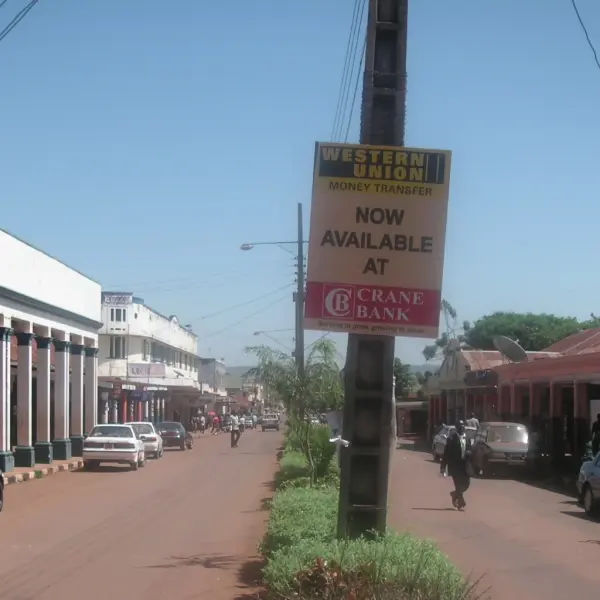
Main Street, banks, shops, government offices, the market and the lakeshore. Best for flats above shops, offices and commercial property, and for anyone who wants to walk everywhere. Plots are scarce and priced accordingly.
Close to the town centre and Jinja Regional Referral Hospital, with established residential streets. Popular with professionals and families who want a short commute.
Large eastern neighbourhoods toward the lake with older housing estates, newer homes and a lively community. Masese, by the lakeshore and fish landing, is among the more affordable areas; parts of Walukuba are being redeveloped. Good value for renters and first-time buyers — check drainage and road access carefully.
Quieter residential areas with a mix of family homes and newer developments, within easy reach of town and the main roads.
A growing town council on the Jinja–Iganga road, home to the Kyabazinga's palace on Igenge Hill. Larger plots, new estates and good road links make it popular with families and investors buying land to build.
Hilly, greener areas around the well-known Busoga College Mwiri, with views and space. Attractive for family homes; check water supply on higher ground.
Across the Nile in Buikwe District, Njeru has grown quickly around industry and the Kampala road. Convenient for commuters toward Kampala and for workers in the industrial area; land is still available in growing pockets.
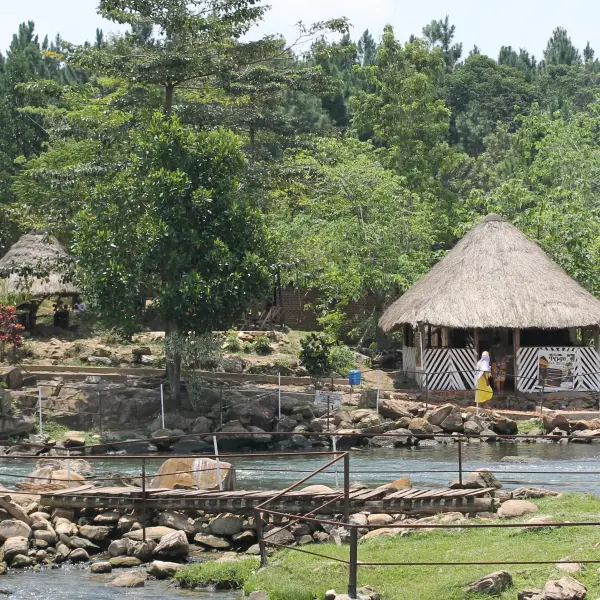
North of town along the Nile — lodges, camps and private homes with river views. The place for tourism investments, holiday homes and short-stay rentals. Check title, road access in the rainy season and any riverbank restrictions.
East of town around the Kakira sugar estate, with housing for employees, local trade and agricultural land. Of interest to buyers looking for farmland and larger plots.
Tenants should read our checklist for renting a home in Jinja. Owners can list a property free and landlords can manage rent and tenants with free rental management.
It depends on your plan. Bugembe, Mwiri and parts of Njeru suit family homes and new builds; the Bujagali riverside suits tourism and holiday homes; Kakira and outlying areas suit farmland. Always verify the title before paying.
Masese, Walukuba and parts of Mpumudde and Bugembe generally offer more affordable rents than the town centre and riverside areas.
Many investors see Jinja as a growth market thanks to its city status, tourism, industry and road links to Kampala. Read why Jinja is attracting property buyers and investors.
Cover photo: aerial view of Jinja city — Jinja Consolidated Properties.
Where to stay in Jinja, Uganda: riverside lodges on the Nile, boutique guesthouses by Lake Victoria, town-centre hotels and budget backpacker stays — and how to choose the right area.
Where to eat in Jinja: riverside dining on the Nile, Indian restaurants, cafés, pizza and the famous Jinja rolex — plus local dishes to try and tips for eating out.