 JinjaConsolidated
The best places to visit in Jinja, Uganda: the Source of the Nile, Itanda Falls, the Nile bridges, the Kyabazinga palace, Jinja Central Market, Mabira Forest and more — with practical tips.
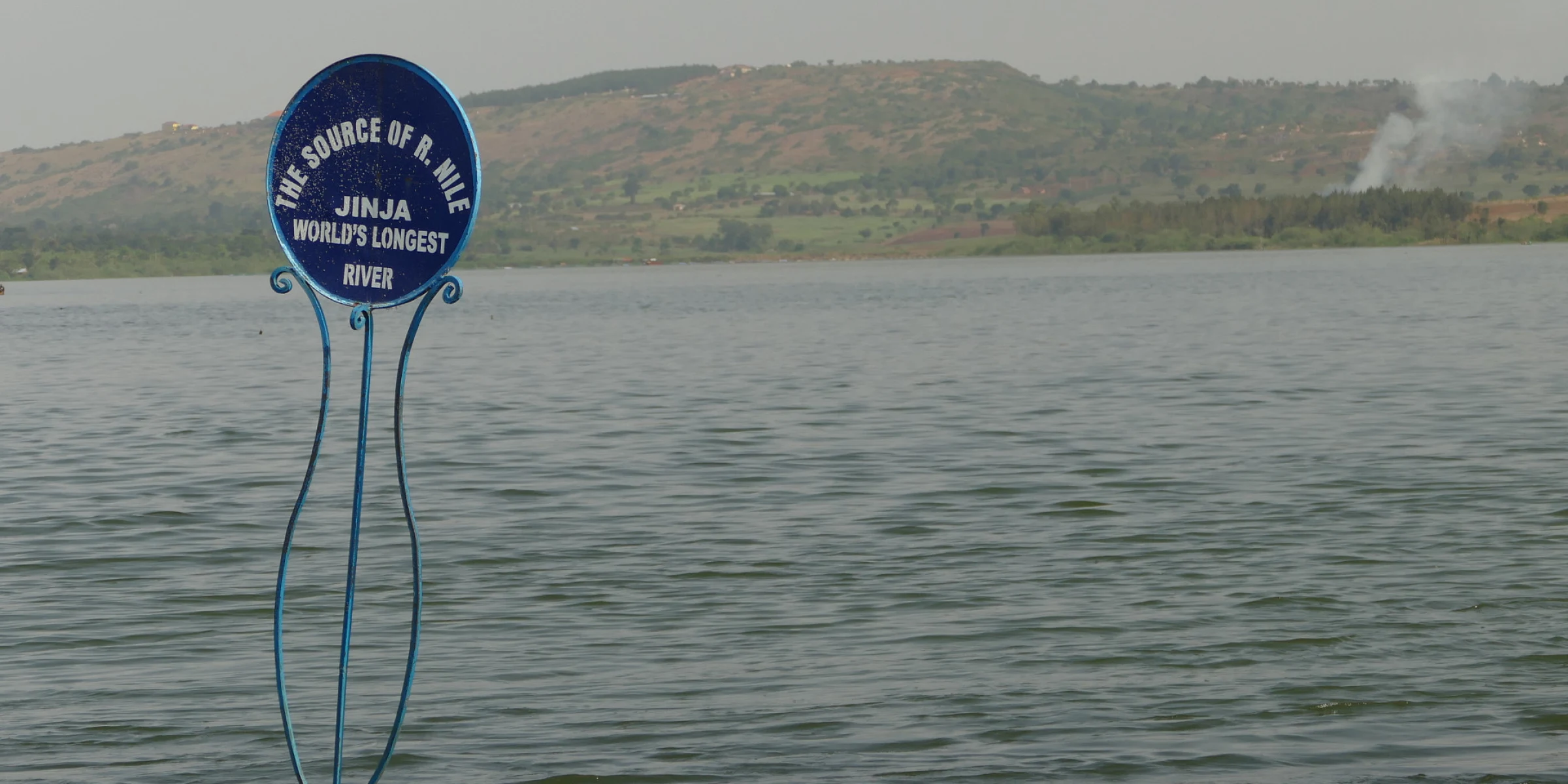
Jinja is Uganda's second-oldest town, the capital of the Busoga kingdom and, since 2020, a city — but most visitors come for one thing: the River Nile, which begins its 6,650 km journey to the Mediterranean right here. These are the places worth your time, from the famous source to quieter spots most guides skip.
Table of contents [Show]
The point where the Nile flows out of Lake Victoria, recorded by the explorer John Hanning Speke in 1862 and marked by a memorial. Take a short boat ride to the spot where springs bubble up in the lake, see the monuments in the gardens, and watch fishermen on the water. It is the one place no visit to Jinja should miss.
The cable-stayed Source of the Nile Bridge, opened in 2018, carries the main Kampala–Jinja road high over the river and is one of Uganda's most photographed landmarks. Just upstream is the Nalubaale (Owen Falls) power station, completed in 1954. Enjoy the view from public viewpoints — photography near the dam and power installations may be restricted.
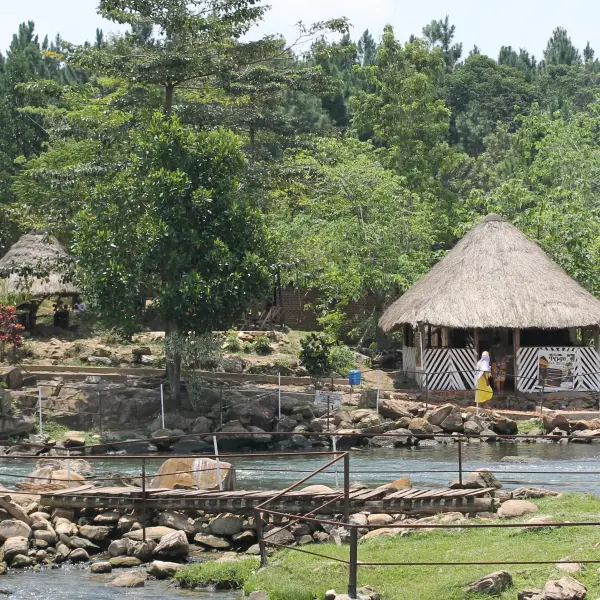
A powerful stretch of white water on the Nile north of Jinja (roughly 18–27 km depending on the route), famous for grade 5 rapids that only expert kayakers attempt. The riverbank is a beautiful place for a picnic, birdwatching and photographs. A local guide is worth having.
Bujagali Falls were largely submerged when the Bujagali hydropower dam reservoir filled in 2012, but the riverside around Bujagali and Kyabirwa remains Jinja's adventure hub, with lodges, camps, rafting and bungee centres. See our guide to adventure on the Nile.
A busy covered market selling fresh produce, spices, fabric, clothes and crafts. Go in the morning, bring small notes and enjoy the bustle — it is the best place to see everyday Jinja.
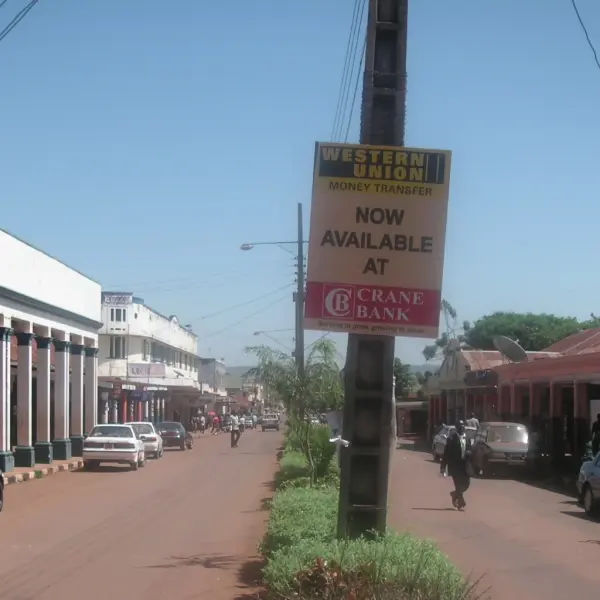
Jinja's town centre has some of Uganda's best-preserved early 20th-century shopfronts, many built by Indian traders, with names and dates on their facades. A slow walk down Main Street and the side streets is a free history lesson.
The official palace of the Kyabazinga, the king of Busoga, stands on Igenge Hill in Bugembe on the edge of Jinja. It is a symbol of Busoga culture; visits are best arranged in advance.
A waterfront on the Nile for sailing, boat cruises and meals with a view — especially at sunset.
One of the largest remaining rainforests in central Uganda, along the Kampala–Jinja highway in Buikwe District. Walking trails, birdlife, monkeys and a canopy zip line make it an easy stop on the drive in.
For a day trip, Kagulu Hill in northern Busoga offers a rock climb and 360-degree views; Ssezibwa Falls, on the Kampala side, is a culturally important waterfall in a peaceful setting.
Jinja is famous as the place where the River Nile leaves Lake Victoria — the Source of the Nile — and as Uganda's adventure capital for white-water rafting, kayaking and bungee jumping.
One day covers the Source of the Nile and the town. Two or three days let you add rafting or kayaking, Itanda Falls and a relaxed evening by the river.
The original Bujagali Falls were largely submerged by the hydropower reservoir in 2012, but the Bujagali riverside remains a centre for lodges and river adventures, and Itanda Falls further north still has powerful rapids.
Cover photo: the Source of the Nile — Daniel Aufgang, CC BY 3.0, via Wikimedia Commons.
Where to stay in Jinja, Uganda: riverside lodges on the Nile, boutique guesthouses by Lake Victoria, town-centre hotels and budget backpacker stays — and how to choose the right area.
Where to eat in Jinja: riverside dining on the Nile, Indian restaurants, cafés, pizza and the famous Jinja rolex — plus local dishes to try and tips for eating out.